Ikiru
1952 · 143 min · Drama
Directed by Akira Kurosawa
“A big story of a little man which will grip your soul...”
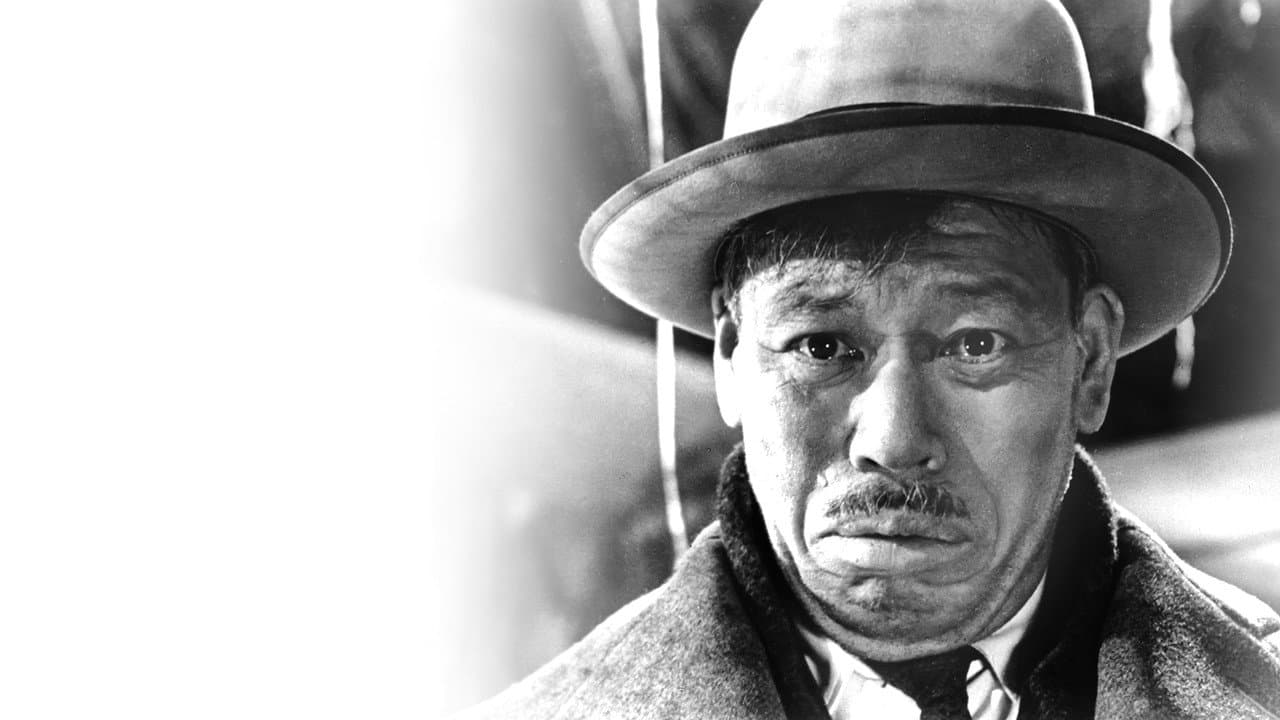
Kanji Watanabe is a middle-aged man who has worked in the same monotonous bureaucratic position for decades. Learning he has cancer, he starts to look for the meaning of his life.
Why it's worth watching
Ikiru is a profound and deeply moving masterpiece that challenges viewers to consider how they use the time God has given them. Akira Kurosawa's brilliant direction transforms a simple story of a dying bureaucrat into a universal sermon on the beauty of self-sacrifice and the vanity of a life lived only for oneself. It is an artistic triumph that inspires viewers to seek genuine purpose and love their neighbors actively.
What it praises
The film highly praises selflessness, civic duty, the redemption of wasted time, and the quiet, persistent love required to serve the vulnerable.
For discernment
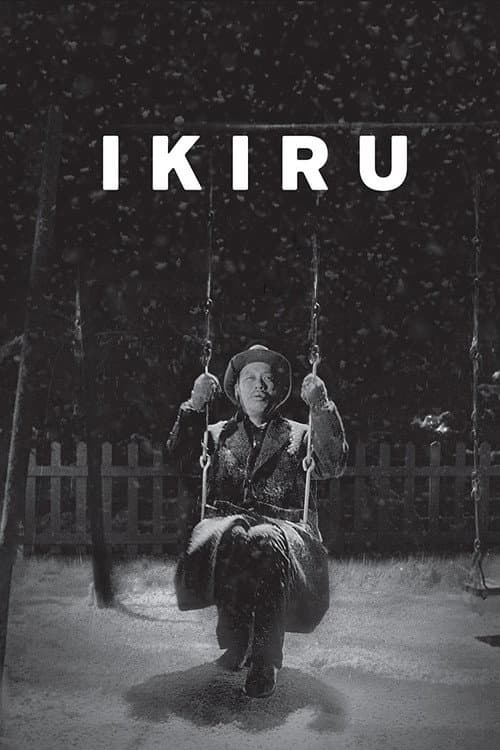
Kurosawa's film is one of cinema's great sermons on redeeming the time: a hollowed-out bureaucrat who has 'died' inside decades ago learns he has cancer and spends his last months forcing a children's playground into existence through a wall of official indifference, and his quiet swing-set death is among the most moving images of a life finally spent for others. A Christian will find rich material here on the vanity of self-serving labor, the horror of wasted years, and love of neighbor made concrete. Be aware, though, that Watanabe first tries to numb his despair with a night of bars, dance halls, and a striptease show (the dancer is covered by sheer fabric but her form and buttocks are visible), and that he drinks heavily even knowing his stomach cancer forbids it. The film's second half — his own wake, told in flashback — sits soberly with death and cancer and may weigh on sensitive viewers. This is edifying, adult art that rewards patience; the brief nightlife detour is the emptiness the film is diagnosing, not endorsing.
- SexualityWatanabe attends a striptease show where the dancer, though draped in sheer fabric, has her form and buttocks visible; a geisha party for officials is referenced.
- SubstancesHeavy sake drinking throughout, including Watanabe drinking to extreme drunkenness despite knowing it worsens his stomach cancer.
- NoteThe film sits soberly and at length with terminal cancer, natural death, and a funeral wake, which may distress sensitive viewers.
- LanguageMinor profanity ('hell'); some subtitle editions render one strong obscenity, absent from the Criterion release.
Community reviews
No written reviews yet. Sign in and be the first to share what stood out.
Cast
Takashi Shimura
Kanji Watanabe
Haruo Tanaka
Sakai

Nobuo Kaneko
Mitsuo, son of Kanji
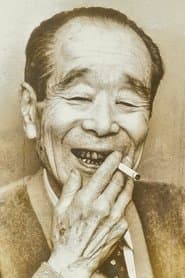
Bokuzen Hidari
Ohara

Miki Odagiri
Toyo
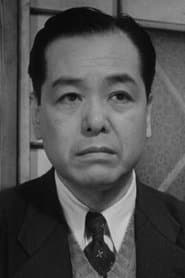
Shinichi Himori
Kimura

Minoru Chiaki
Noguchi
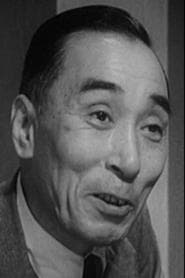
Minosuke Yamada
Subordinate Clerk Saito