Sansho the Bailiff
1954 · 124 min · Drama
Directed by Kenji Mizoguchi
“Without mercy, man is like a beast.”
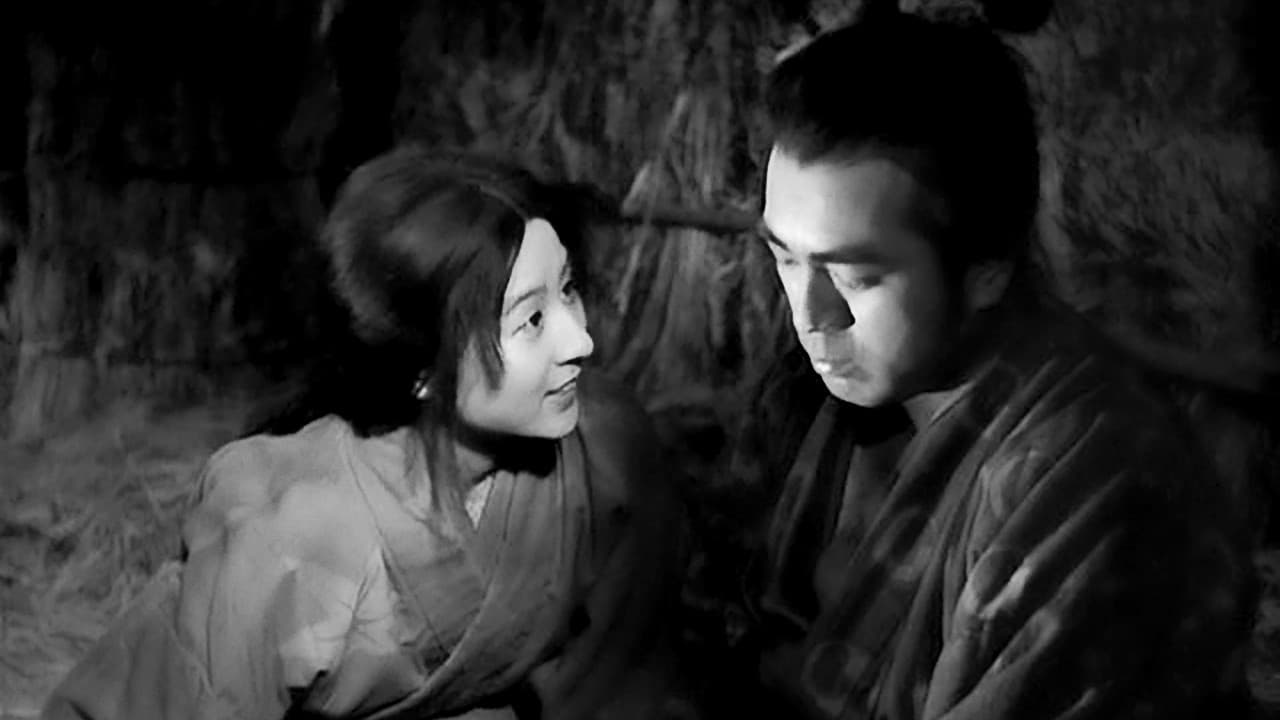
In 11th-century feudal Japan, following the exile of an idealistic governor, his wife and children are separated by slave traders; the children, Zushio and Anju, are sold into brutal servitude under the cruel bailiff Sansho.
Why it's worth watching
Sansho the Bailiff is a cinematic masterpiece that offers a profound, deeply moving exploration of human dignity, compassion, and the enduring power of moral truth. Mizoguchi's exquisite direction elevates a tragic historical tale into a universal testament to the necessity of mercy in a cruel world. It is widely considered one of the greatest films ever made, rewarding viewers with both artistic brilliance and spiritual depth.
What it praises
The film highly praises self-sacrificial love, filial piety, justice for the oppressed, and the essential virtue of mercy, famously summarized in the father's mandate: 'Without mercy, man is like a beast.'
For discernment
Mizoguchi anchors this feudal tragedy on a line worth memorizing — 'Without mercy, man is like a beast' — and the whole film is a costly meditation on holding to that mercy when the world punishes you for it. The good here is real and hard-won: filial love, refusal to become the cruelty done to you, and a brother who sacrifices power to free slaves. But be prepared for genuine bleakness: children are torn from their mother and sold into brutal servitude, foreheads are branded on screen (intensely, if not graphically), the mother is forced into prostitution, and a daughter walks into a lake to her death to protect her brother. The spiritual frame is Buddhist and fatalistic rather than Christian, so the mercy is presented as a human inheritance from a father rather than rooted in God; discerning viewers can receive its moral weight while noting that its hope is earthbound and its tone unrelentingly sorrowful.
- ViolenceA woman and a man each have their foreheads branded on screen as punishment; the cruelty of a slave labor camp is central.
- NoteThe mother is forced into prostitution and hamstrung; a daughter drowns herself to protect her brother — the film is deliberately, deeply depressing.
- SpiritualThe moral vision is framed within Buddhist fatalism, with mercy presented as a human inheritance rather than grounded in God.
- NoteProstitutes are shown in the setting, though nothing explicit occurs.
Community reviews
No written reviews yet. Sign in and be the first to share what stood out.
Cast

Kinuyo Tanaka
Tamaki
Yoshiaki Hanayagi
Zushiô

Kyōko Kagawa
Anju
Eitarō Shindō
Sanshô dayû
Ichirō Sugai
Minister of Justice
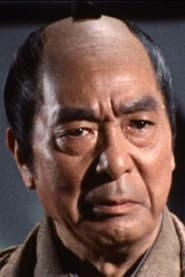
Bontarō Miake
Kichiji
Yōko Kozono
Kohagi
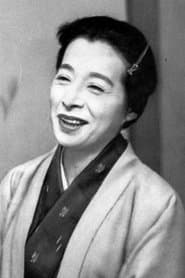
Chieko Naniwa
Ubatake