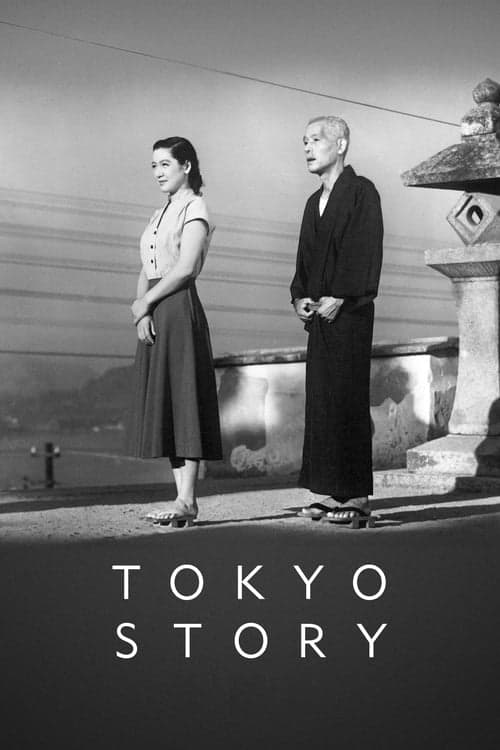
Tokyo Story
1953 · 137 min · Drama
Directed by Yasujirō Ozu
“As long as life goes on, relationships between parents and children will bring boundless joy and endless grief.”
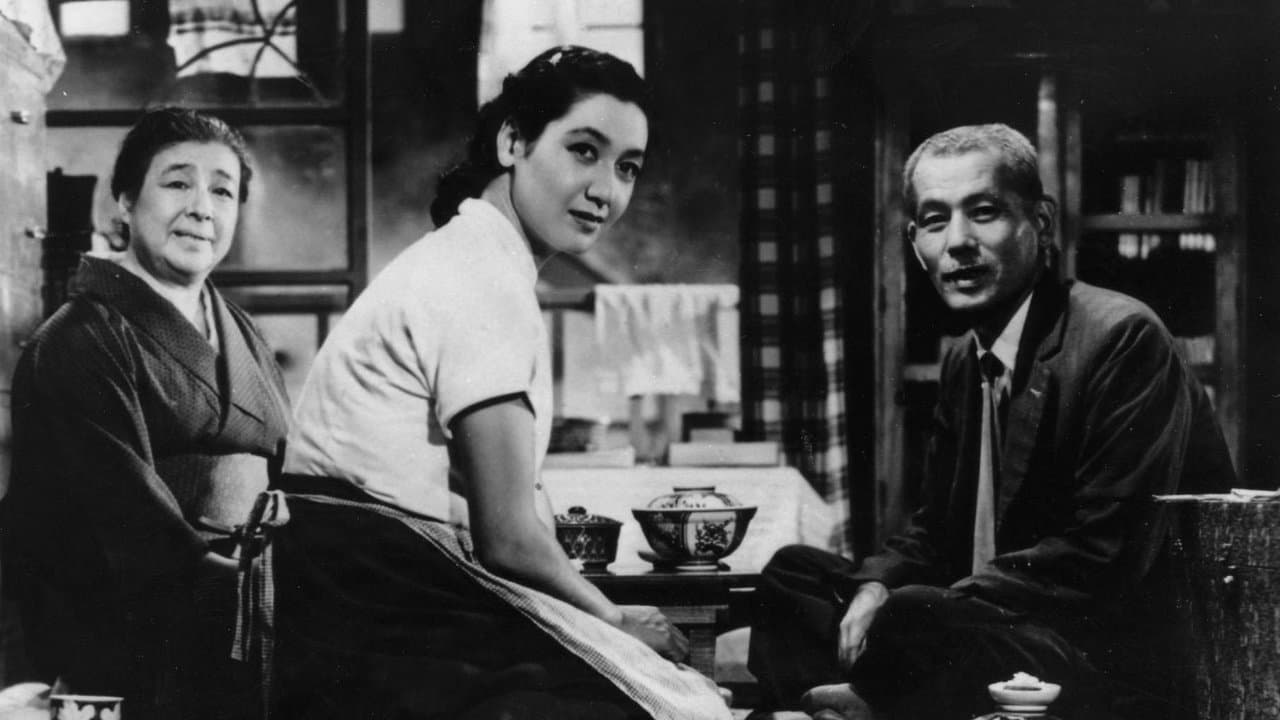
The elderly Shukishi and his wife, Tomi, take the long journey from their small seaside village to visit their adult children in Tokyo. Their elder son, Koichi, a doctor, and their daughter, Shige, a hairdresser, don't have much time to spend with their aged parents, and so it falls to Noriko, the widow of their younger son who was killed in the war, to keep her in-laws company.
Why it's worth watching
Tokyo Story is a profound, deeply moving masterpiece of world cinema that explores the quiet heartbreaks of family life, aging, and generational disconnect. Through its gentle and patient storytelling, the film invites viewers to reflect on their own relationships with their parents and the fleeting nature of time. It is widely considered one of the greatest films ever made, offering immense artistic and emotional value.
What it praises
The film highly praises filial piety, selflessness, respect for elders, and the beauty of quiet, sacrificial love as demonstrated by the widowed daughter-in-law, Noriko.
For discernment
A quiet, unflinching portrait of grown children too busy and self-important to make room for their aging parents visiting from the countryside, and the film never lets them off the hook, it lets their neglect indict us. The one figure of grace is Noriko, the war-widowed daughter-in-law whose patient kindness toward in-laws who are not even her blood models 1 Corinthians 13 love better than most explicitly Christian films. The concerns are minor: one supporting character drinks himself into a police escort and passes out, and period smoking is constant. There is no faith framework here, comfort before death is stoic acceptance rather than resurrection hope, so the believer should feel the film's ache and bring the answer it lacks. This is genuinely edifying viewing that examines the conscience about how we honor father and mother.
- SubstancesA supporting character gets so drunk he is escorted home by police and passes out; smoking is frequent and period-typical.
- WorldviewThe film faces aging and death with stoic acceptance and offers no hope beyond the grave, a melancholy the Christian must supply from elsewhere.
- Faith & familyAdult children repeatedly neglect and quietly disrespect their parents; depicted critically, but a sobering mirror.
Community reviews
No written reviews yet. Sign in and be the first to share what stood out.
Cast
Chishū Ryū
Shukichi Hirayama
Chieko Higashiyama
Tomi Hirayama

Setsuko Hara
Noriko Hirayama
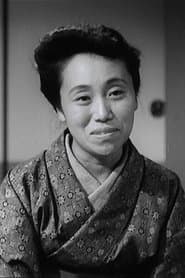
Haruko Sugimura
Shige Kaneko
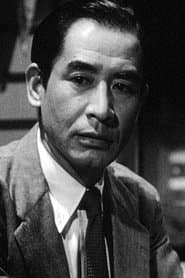
So Yamamura
Koichi Hirayama
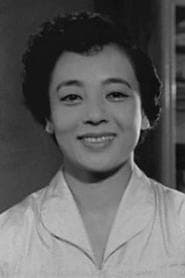
Kuniko Miyake
Fumiko Hirayama
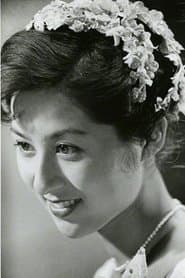
Kyōko Kagawa
Kyoko Hirayama

Eijirō Tōno
Numata